Silver Needle vs. White Peony vs. Shou Mei: A Guide to Chinese White Tea Styles
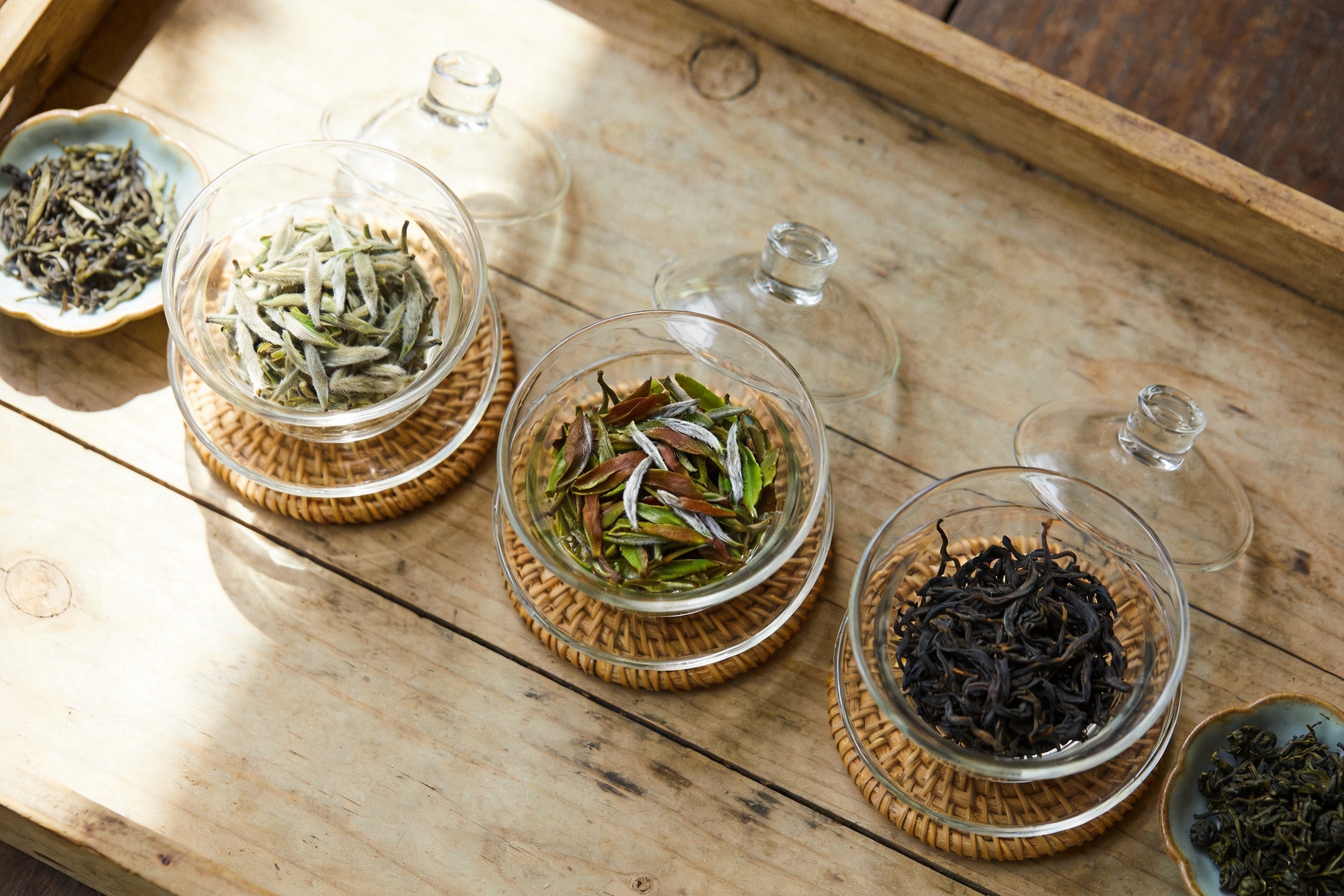
When exploring the delicate world of Chinese white tea, the debate of silver needle vs white peony vs shou mei always comes down to harvest timing and leaf maturity. While all three share a minimal processing style of withering and drying, the specific parts of the tea plant plucked dictate their distinct flavor profiles, aromas, and aging potential. Understanding these differences helps you choose the perfect cup, whether you seek the refined sweetness of early spring buds or the robust, earthy depth of mature autumn leaves. Let us break down exactly what makes each style unique and how to brew them properly.
The Foundation of White Tea Processing
White tea undergoes minimal processing consisting primarily of withering and drying. This distinguishes it from green tea, which is fired to halt enzymatic oxidation, and black tea, which undergoes full oxidation.
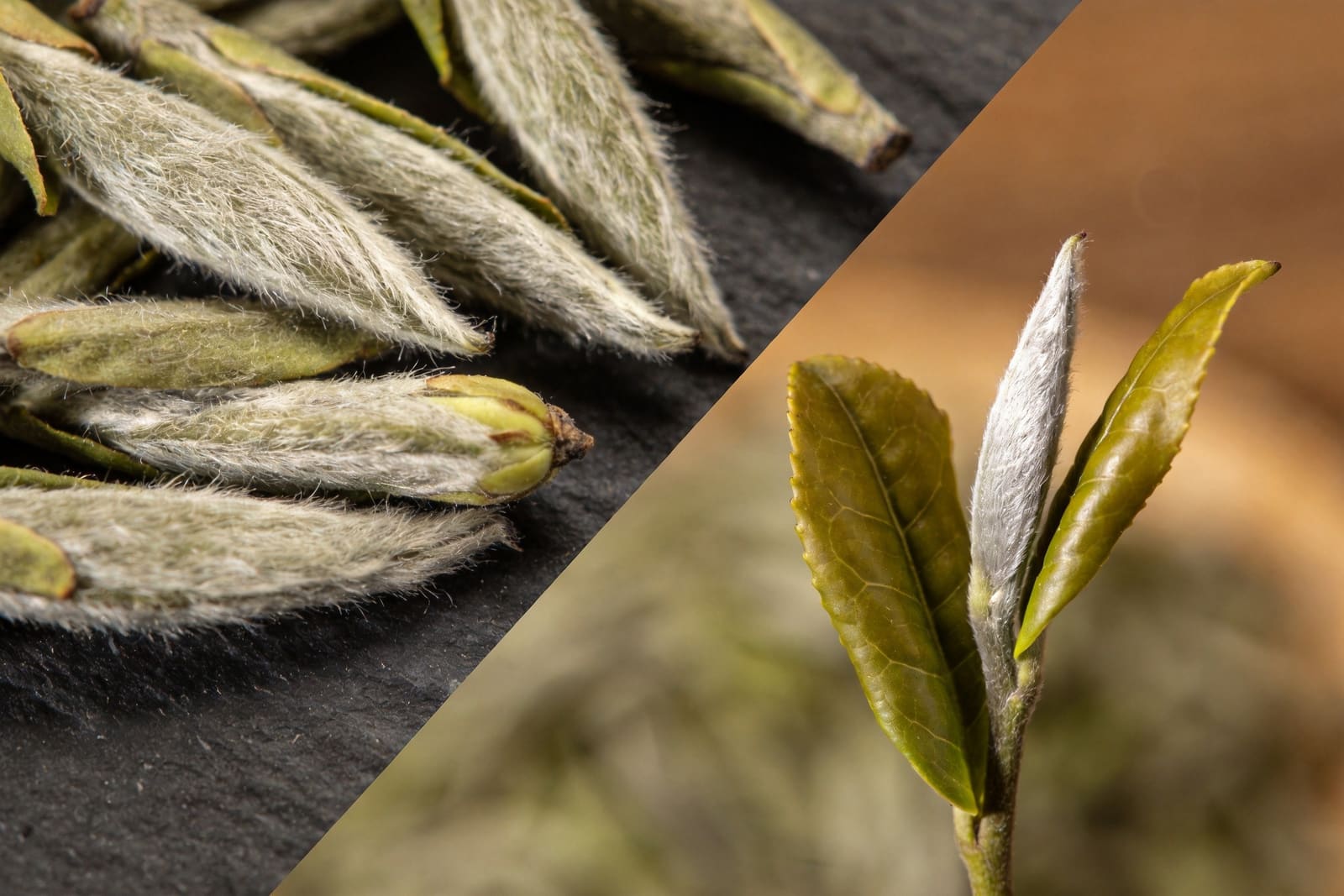
The leaves are adorned with fine white hairs known as tea trichomes. These trichomes positively enhance the aroma quality by releasing volatiles rapidly in the first stage of brewing to form the initial olfactory profile.
Because the leaves remain largely unrolled and unoxidized, they retain a remarkably clean and natural character. This minimalist approach requires precise environmental control to ensure the leaves dry properly without spoiling.
Silver Needle: The Pure Bud
Silver Needle is made exclusively from unopened spring buds. This highly selective harvest typically occurs over a narrow window of 10 to 14 days in early spring, usually from late March to early April in Fujian.
Processing Silver Needle involves withering the buds in the sun for 48 to 72 hours before gentle indoor drying. This careful manipulation preserves the delicate structure and the dense covering of silvery trichomes.
A 2022 review in Frontiers in Nutrition states that theanine accounts for roughly 60 to 70 percent of free amino acids in tea shoots. The highest content of these sweet-tasting amino acids is found exclusively in the bud and first leaf.
Research led by Researcher Lin Zhi at the Tea Research Institute of the Chinese Academy of Agricultural Sciences evaluated these teas extensively. Using FRAP, DPPH, and ABTS assays, they confirmed that Silver Needle exhibits significantly higher antioxidant activity than White Peony and Shou Mei.
To fully appreciate its delicate, honeydew-like sweetness, brewing in a glass vessel or a gaiwan is ideal. Porous clay teapots might absorb its subtle, fleeting aromatic notes.
White Peony: The Balanced Blend
White Peony consists of one bud and one or two tender, unfurled leaves. This combination of bud and leaf provides a more complex flavor profile than the pure buds of Silver Needle.
A 2020 study by Chen et al. published in Molecules identified 238 volatile components across white tea subtypes. They found that 44 specific compounds were higher in Silver Needle and White Peony compared to the more mature leaves.
Furthermore, a study on volatile metabolomics found that premium White Peony contains significantly higher levels of differential volatile organic compounds than Silver Needle. These compounds contribute sweet, fruity, and woody notes, likely due to a later harvest allowing extended winter growth.
The resulting cup is medium-bodied, rounded, and crisp, offering notes of autumn leaves, melon, and warm florals. It sits perfectly within the white tea category of the six families of tea, offering a versatile middle ground for daily drinking.
Shou Mei: The Robust and Age-Worthy Leaf
Shou Mei is harvested later in the season from larger, more mature leaves with few or no buds. This later plucking results in a bolder, more full-bodied cup with earthy and baked fruit characteristics.
While it has lower levels of the delicate amino acids found in early spring buds, it excels in other areas. Animal research on white-tea polysaccharides has investigated their metabolic effects in diabetic mouse models.
In those studies, infusions of the three white teas were associated with lower blood sugar, with mature-leaf white tea showing the more pronounced effect, which researchers attribute to its higher polysaccharide content. These are preliminary laboratory findings, not evidence of an effect in humans.
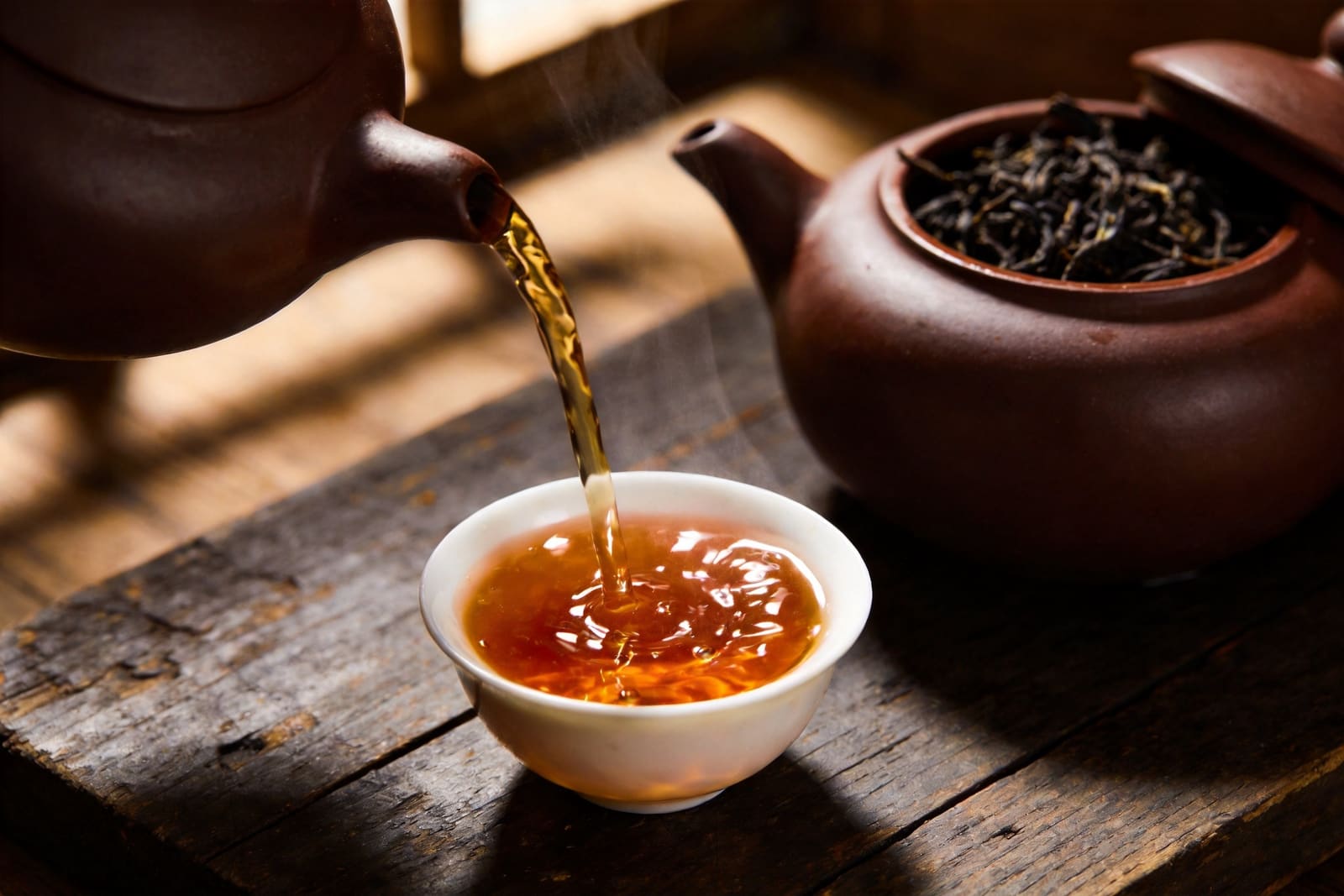
Shou Mei is also the most popular candidate for aging among the three styles. As it matures over several years, its leaves turn dark brown and the liquor transforms into a deep ruby red with rich notes of date and camphor.
Because it is built for longevity, proper storage is essential for its development. You should consult our guide on how to store tea to ensure your Shou Mei ages gracefully without absorbing unwanted moisture or odors.
Comparing the Three Styles at a Glance
Understanding the physical differences makes selecting the right tea much easier. Here is a practical breakdown of their plucking standards, flavor profiles, and ideal brewing methods.
表格
| Style | Plucking Standard | Flavor & Aroma Profile | Best Brewing Method |
|---|---|---|---|
| Silver Needle | Pure, unopened spring buds only | Honeydew, fresh hay, delicate floral sweetness | Glass cup or Gaiwan |
| White Peony | One bud with one or two tender leaves | Autumn leaves, melon, warm floral and fruity notes | Gaiwan or Western teapot |
| Shou Mei | Larger, mature leaves with few or no buds | Earthy, baked fruit, subtle spice, woody notes | Gaiwan, teapot, or boiling |
Each style demands a slightly different approach to extraction to bring out its best qualities. Avoid boiling water and over-steeping, which are common tea brewing mistakes that can ruin the delicate balance of white teas.
Antioxidant Capacity and Overall Health Benefits
White tea is widely celebrated for its health-promoting properties, particularly its antioxidant capacity. A 2021 study in the journal Antioxidants compared teas from the exact same cultivar processed differently.
The researchers found that white tea and green tea share a similar order of magnitude for antioxidant capacity. This suggests that minimal processing preserves the beneficial plant compounds about as effectively as the firing used for green tea.
However, the specific type of antioxidant activity varies depending on the leaf maturity. As confirmed by the assays from the Tea Research Institute, the pure buds of Silver Needle offer the highest concentrated antioxidant punch.
Conversely, the mature leaves of Shou Mei provide different benefits, such as the polysaccharides linked to blood sugar regulation. Ultimately, all three styles offer exceptional wellness benefits, just through slightly different biochemical pathways.
To preserve these beneficial compounds during preparation, use water that is hot but not quite boiling. Keeping the water temperature around 175°F to 185°F ensures you extract the sweet amino acids without drawing out excessive bitterness.
The Art of Aging White Tea
Unlike many other teas that are best consumed fresh, white tea is one of the few varieties that improves with time. This aging process is particularly beneficial for Shou Mei due to its robust leaf structure and complex chemical profile.
A 2020 study by Chen et al. published in Molecules identified 238 volatile components across white tea subtypes. They found that 59 specific compounds were significantly higher in Shou Mei compared to the earlier harvests.
These specific compounds contribute to the deep, earthy, and woody aromas that develop as the tea matures. The larger surface area of the mature leaves also allows for a more robust interaction with the environment during the aging process.
Proper aging requires a balance of humidity and airflow to allow the leaves to transform slowly. If the environment is too damp, the tea may develop unwanted mold, while too dry an environment will stall the aging process entirely.
Over time, the initial grassy notes of the mature leaves mellow out completely. They are replaced by the rich, comforting aromas of dried dates, wood, and subtle camphor that seasoned tea lovers crave.
Frequently asked questions
**What is the main difference between Silver Needle, White Peony, and Shou Mei?**The primary difference lies in the harvest time and the specific parts of the tea plant used. Silver Needle uses only pure unopened buds, White Peony uses one bud and one or two tender leaves, and Shou Mei uses larger, more mature leaves harvested later in the season.
**Which white tea has the highest antioxidant content?**Research led by the Tea Research Institute of the Chinese Academy of Agricultural Sciences confirms that Silver Needle has the highest antioxidant activity. This is due to its exclusive use of pure spring buds, which concentrate the most beneficial plant compounds compared to mature leaves.
**Can white tea be aged like pu-erh?**Yes, white tea can be aged, and Shou Mei is the most popular candidate for this process. As it matures over several years, its flavor profile deepens, transforming into a dark liquor with rich notes of date and camphor.
**Does white tea help lower blood sugar?**Research is preliminary. Animal studies found that white-tea infusions were associated with lower blood sugar in diabetic mice, with mature-leaf white tea showing the stronger effect, attributed to its higher polysaccharide content. There is no equivalent evidence in humans, so this is not a reason to replace medical treatment.
Key takeaways
- Silver Needle is crafted exclusively from early spring unopened buds, offering the highest antioxidant activity and a delicate, sweet flavor profile.
- White Peony combines one bud with one or two tender leaves, providing a balanced cup with complex fruity and woody aromatic notes.
- Shou Mei utilizes larger, mature leaves harvested later in the season, making it the most robust style and the best candidate for long-term aging.
- All three styles undergo minimal processing — withering and drying with only very slight natural oxidation — preserving their trichomes and delicate character.
Which of these three white tea styles matches your daily drinking preference, and have you ever tried aging a Shou Mei? Share your experiences in the comments below!
Comments (0)