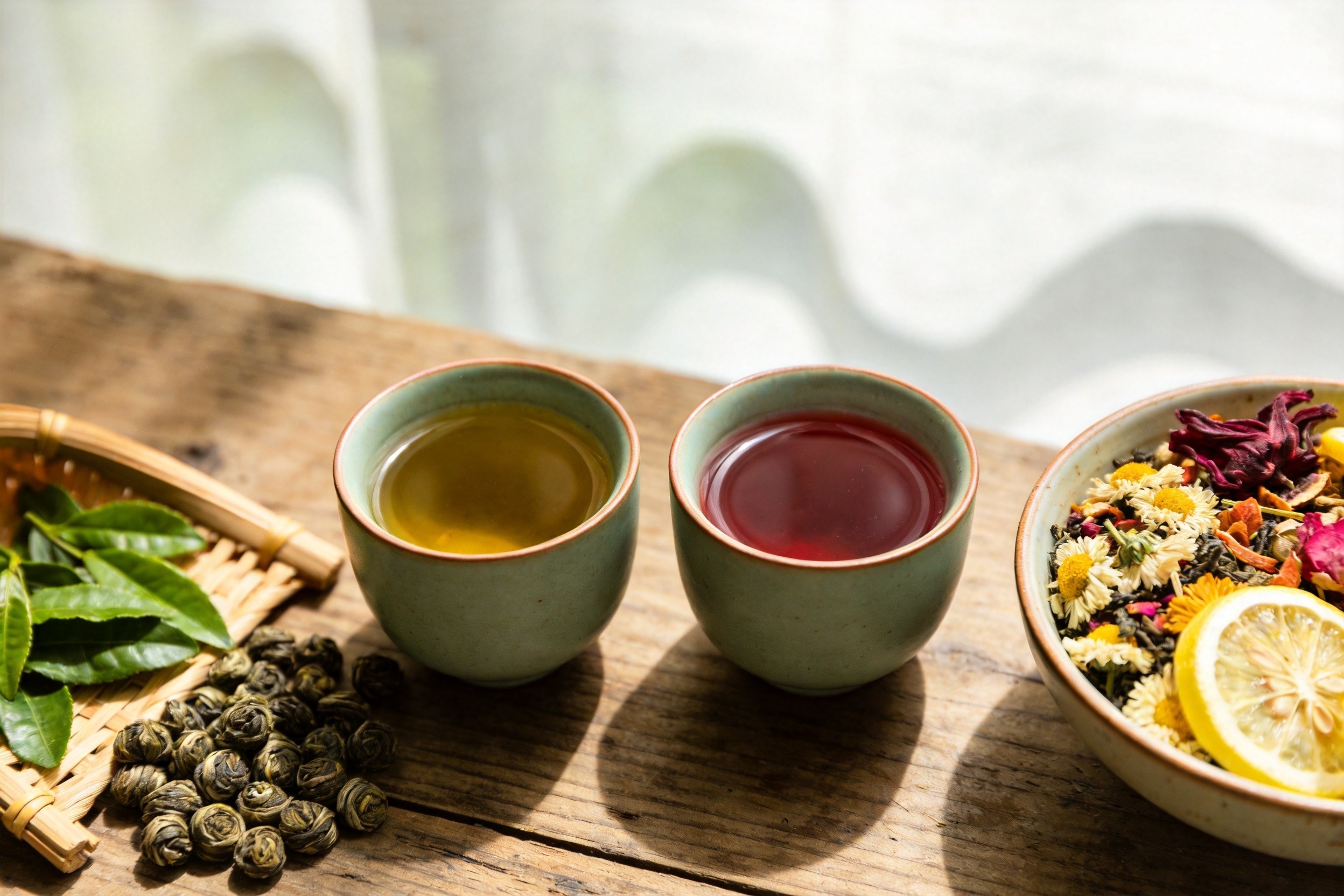
What Is True Tea? True Tea vs. Herbal Tisanes Explained
When exploring the world of hot beverages, understanding the true tea vs herbal tisanes distinction is your first step toward brewing perfection. Simply put, true tea comes exclusively from the Camellia sinensis plant, while herbal tisanes are infusions of other botanical parts like fruits, flowers, or roots. Though both are soothing, they differ fundamentally in their botanical origins, caffeine content, and chemical profiles. Let’s clear up the common naming confusion and explore what makes a cup of real tea so unique compared to its caffeine-free herbal cousins.
The Botanical Divide: Camellia Sinensis vs. The Rest of the Garden
The confusion between true tea and herbal beverages is largely a linguistic quirk. In Germanic-derived languages like English, we casually call almost any hot plant infusion “tea.” However, in Neo-Latin languages like French, true tea is distinctly called thé, while herbal infusions are strictly referred to as tisanes (Nutrition Reviews).
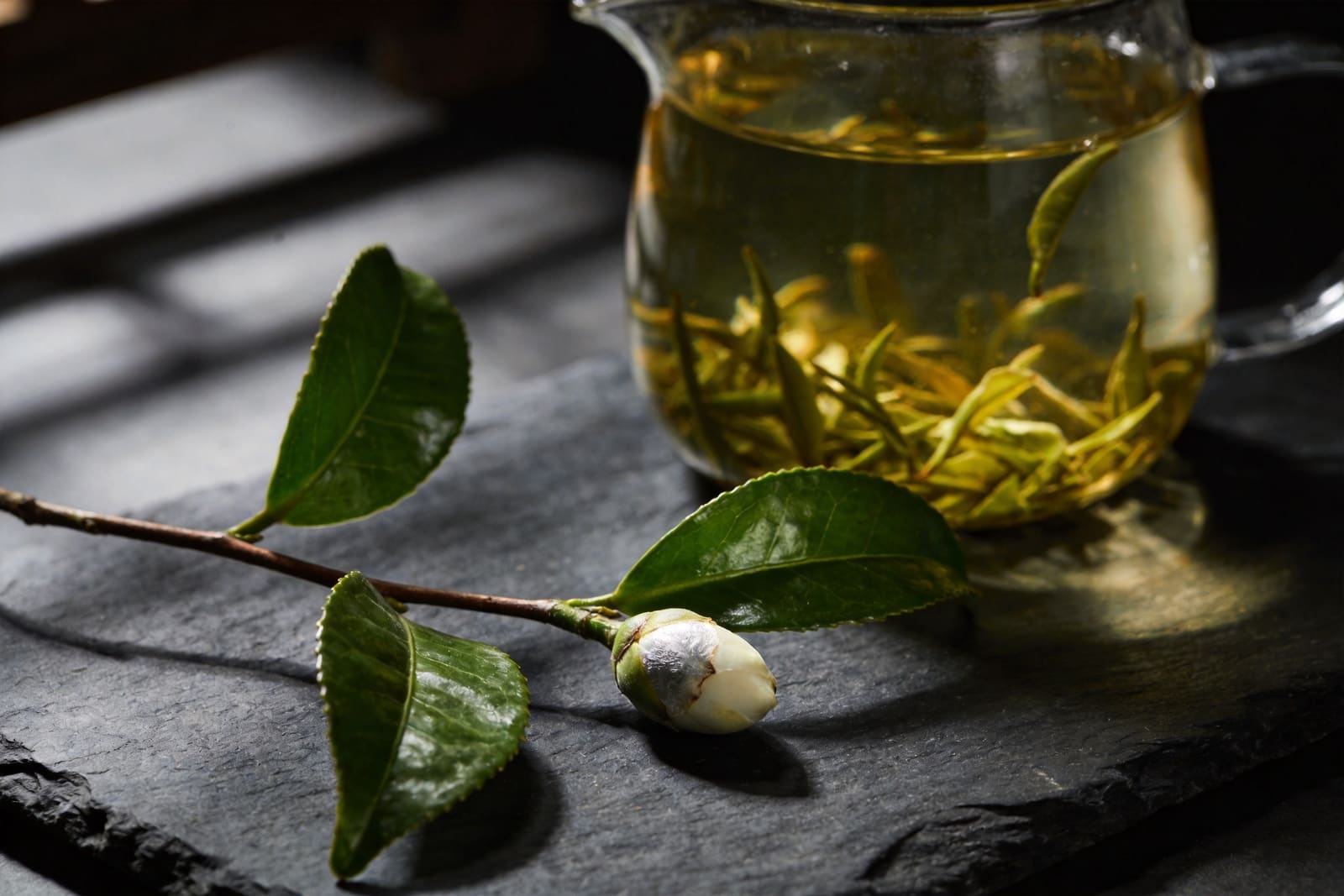
Botanically speaking, true tea is exclusively derived from the leaves of the Camellia sinensis plant. Everything else—whether it is peppermint, chamomile, or rooibos—is an herbal tisane. These tisanes are infusions of other botanical parts like seeds, leaves, nuts, grasses, barks, flowers, or fruits from entirely different plants (PMC11521711, 2024).
When you explore the six families of tea, you are looking strictly at the different ways Camellia sinensis leaves are processed. Herbal blends, no matter how delicious, fall entirely outside this specific botanical family tree.
Caffeine and Polyphenols: What’s Really in Your Cup?
One of the most practical differences when comparing true tea vs herbal tisanes is caffeine. Unlike true teas, herbal tisanes do not naturally contain caffeine (PMC11521711, 2024). If you are looking for a gentle morning lift or an afternoon focus boost, Camellia sinensis is your go-to. If you are winding down for the evening, a caffeine-free tisane is the perfect choice.
Beyond caffeine, the chemical makeup varies significantly. Research indicates that true teas contain at least twice the total polyphenol content compared to herbal varieties such as red rooibos, peppermint, and chamomile (Cleverdon et al., 2018). Polyphenols are powerful antioxidants that contribute to the health benefits and complex flavor profiles of your brew.
How you steep also matters. When brewing standard tea bags, approximately 80% to 90% of the total polyphenol content is extracted into the solution within the first 5 minutes of immersion (Cleverdon et al., 2018). Steeping beyond this window extracts very little extra benefit and may just make your cup unpleasantly bitter. Avoiding common tea brewing mistakes ensures you get the most out of your leaves without over-extracting harsh tannins.
Understanding Oxidation: The Magic of True Tea Processing
To truly appreciate Camellia sinensis, you must understand how it is processed. In true tea processing, oxidation refers specifically to the enzymatic browning of tea polyphenols upon contact with oxygen. This is a crucial distinction, as it is entirely different from microbial post-fermentation, which applies only to dark teas like pu-erh. Similarly, the smothering process in yellow tea is a non-enzymatic change, not true oxidation.
Based on this enzymatic browning, we categorize true tea into distinct families:
- Green tea undergoes no oxidation, preserving its fresh, grassy notes.
- Oolong tea undergoes partial enzymatic oxidation, creating a vast spectrum of floral and fruity flavors.
- Black tea undergoes full enzymatic oxidation, resulting in robust, malty, and deep flavors, often referred to in Chinese as hong cha.
Mineral Bioaccessibility: Loose-Leaf vs. Tea Bags
Tea is not just about flavor and antioxidants; it also provides dietary minerals. However, how your body absorbs these minerals—known as bioaccessibility—depends heavily on the type of tea and how it is packaged.
In an in-vitro gastrointestinal digestion model, potassium was the most efficiently released mineral, with over 50% becoming available. Meanwhile, calcium and iron exhibited limited dialyzability, with under 30% becoming accessible across various teas (Apaydın, 2026).
Interestingly, the format of your tea plays a major role. Loose-leaf teas consistently yield higher extractable levels of minerals such as copper, iron, magnesium, and zinc compared to bagged tea formats (Apaydın, 2026). This is one of the many reasons tea enthusiasts prefer brewing loose leaves in a gaiwan or a traditional teapot rather than using mass-produced tea bags.
If you are specifically looking to increase your mineral intake, certain tisanes might outperform true tea in specific areas. For instance, rosehip tea demonstrated notably higher in-vitro bioaccessibility of iron (approximately 36%) and zinc (approximately 81%) compared to Camellia sinensis teas. This is likely due to its acidic pH and high organic acid content, which helps unlock these minerals during digestion (Apaydın, 2026).
Step-by-Step: Blending for Maximum Antioxidant Activity
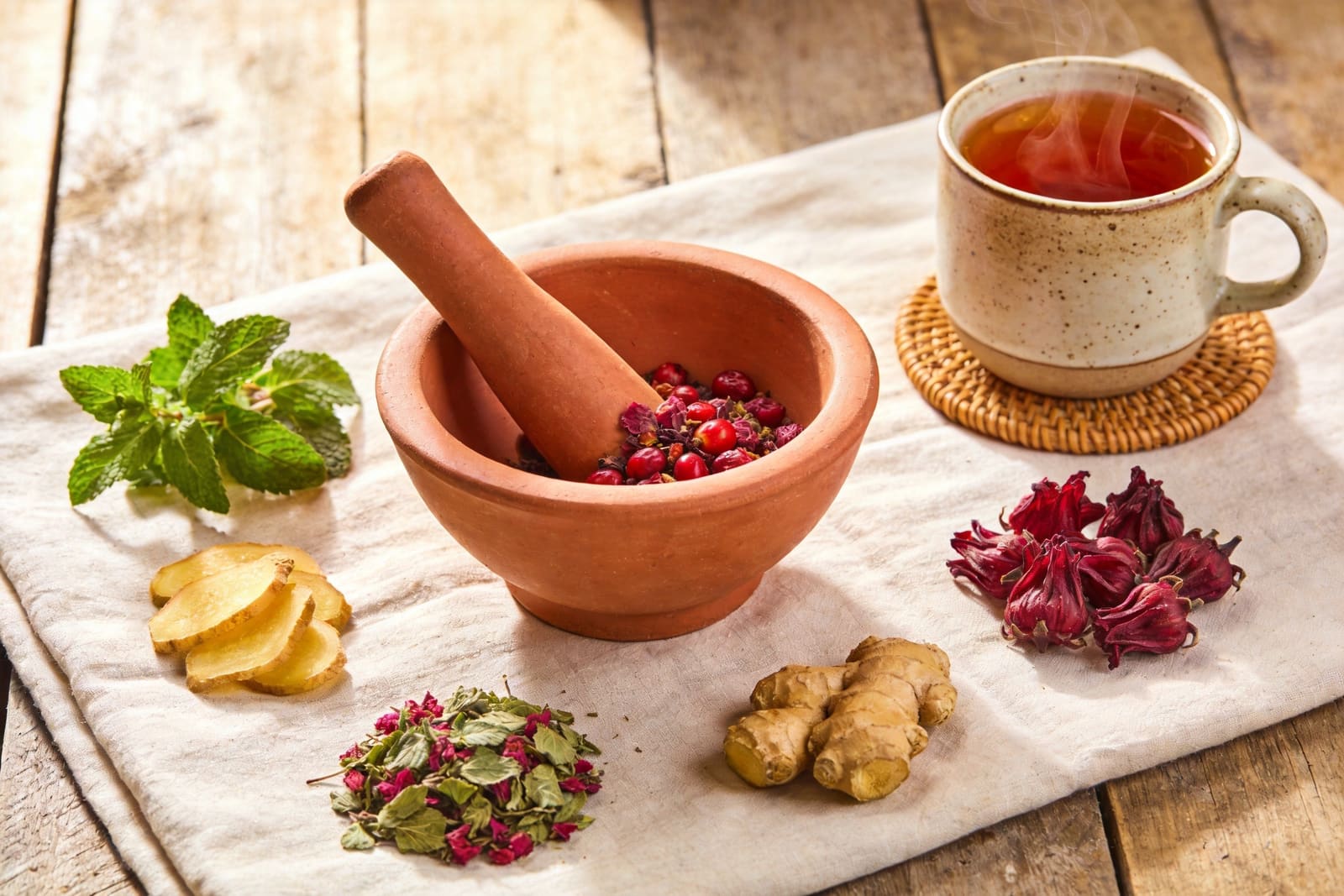
You do not always have to choose between true tea and herbal tisanes. Combining them can create a synergistic effect that boosts your brew’s health properties. Research suggests that combining true tea with specific herbal infusions can significantly enhance the overall antioxidant activity of the beverage. For example, blending white tea with linden flower or orange can enhance the overall antioxidant activity of the brew by up to three times compared to the tea alone (PMC11508276, 2024).
Here is a simple step-by-step guide to creating a high-antioxidant blended brew:
- Select your base: Choose a high-quality, minimally oxidized true tea like white or green tea.
- Add your botanicals: Mix in dried linden flowers or a piece of dried organic orange peel.
- Prepare your ware: Ensure your brewing vessel is spotless. Residual oils can ruin the delicate flavors, so always clean and care for your tea ware properly before use.
- Mind your temperature: Use water around 175°F to 185°F (80°C to 85°C) to avoid scorching the delicate true tea leaves while still extracting the herbal compounds.
- Steep and enjoy: Steep for 3 to 5 minutes, allowing the polyphenols from the true tea and the organic acids from the herbs to harmonize.
Frequently asked questions
**Is herbal tea actually tea?**Botanically speaking, no. True tea must come exclusively from the Camellia sinensis plant. Herbal teas, correctly called tisanes, are infusions made from the roots, leaves, seeds, or flowers of other plants. While we use the word tea colloquially in English, true tea and herbal tisanes are fundamentally different beverages.
**Does herbal tea have caffeine?**Unlike true teas derived from the Camellia sinensis plant, herbal tisanes do not naturally contain caffeine. This makes them an excellent choice for evening relaxation or for individuals who are sensitive to stimulants. However, always check the label on commercial blends, as some may be mixed with true tea leaves.
**Which has more antioxidants, true tea or herbal tea?**True teas generally contain at least twice the total polyphenol content compared to popular herbal varieties like chamomile, peppermint, and red rooibos. However, blending true tea with specific herbs, such as orange or linden flower, can multiply the overall antioxidant capacity of your cup significantly.
**Why is loose-leaf tea better for mineral extraction than tea bags?**Research shows that loose-leaf teas consistently yield higher extractable levels of essential minerals like copper, iron, magnesium, and zinc compared to bagged formats. The larger, unbroken leaves in loose-leaf tea allow for better water flow and more efficient extraction of these beneficial compounds during brewing.
Key Takeaways
- True tea comes exclusively from the Camellia sinensis plant, while herbal tisanes are infusions of other botanical parts.
- True teas contain at least twice the total polyphenol content of many common herbal varieties.
- Oxidation in true tea refers to enzymatic browning, which dictates whether a tea becomes green, oolong, or black.
- Loose-leaf formats yield higher extractable minerals compared to standard tea bags.
- Blending true tea with specific herbs like orange or linden flower can significantly boost antioxidant activity.
What is your favorite way to enjoy true tea, and do you ever blend it with herbs? Let us know in the comments below!
Comments (0)