How to Choose High-Quality Loose Leaf Tea: A Buyer's Guide
Most of what decides whether a bag of loose leaf tea is worth its price is visible before you ever brew it: the size and wholeness of the leaf, whether the color is even, how the dry leaf smells, and whether the seller will tell you where and when it was picked. Those four checks take a couple of minutes and separate a genuinely good tea from a handsome label. Here is how to run each one, and what to do once the water is hot.
The Visual Inspection: Leaf Size and Tips
The physical appearance of the tea is your first and most reliable indicator. Whole leaves hold on to their aromatic oils and unfurl gradually in the water, which is what makes a second and third infusion worth drinking; broken leaf and dust dump everything into the first cup and give nothing back.
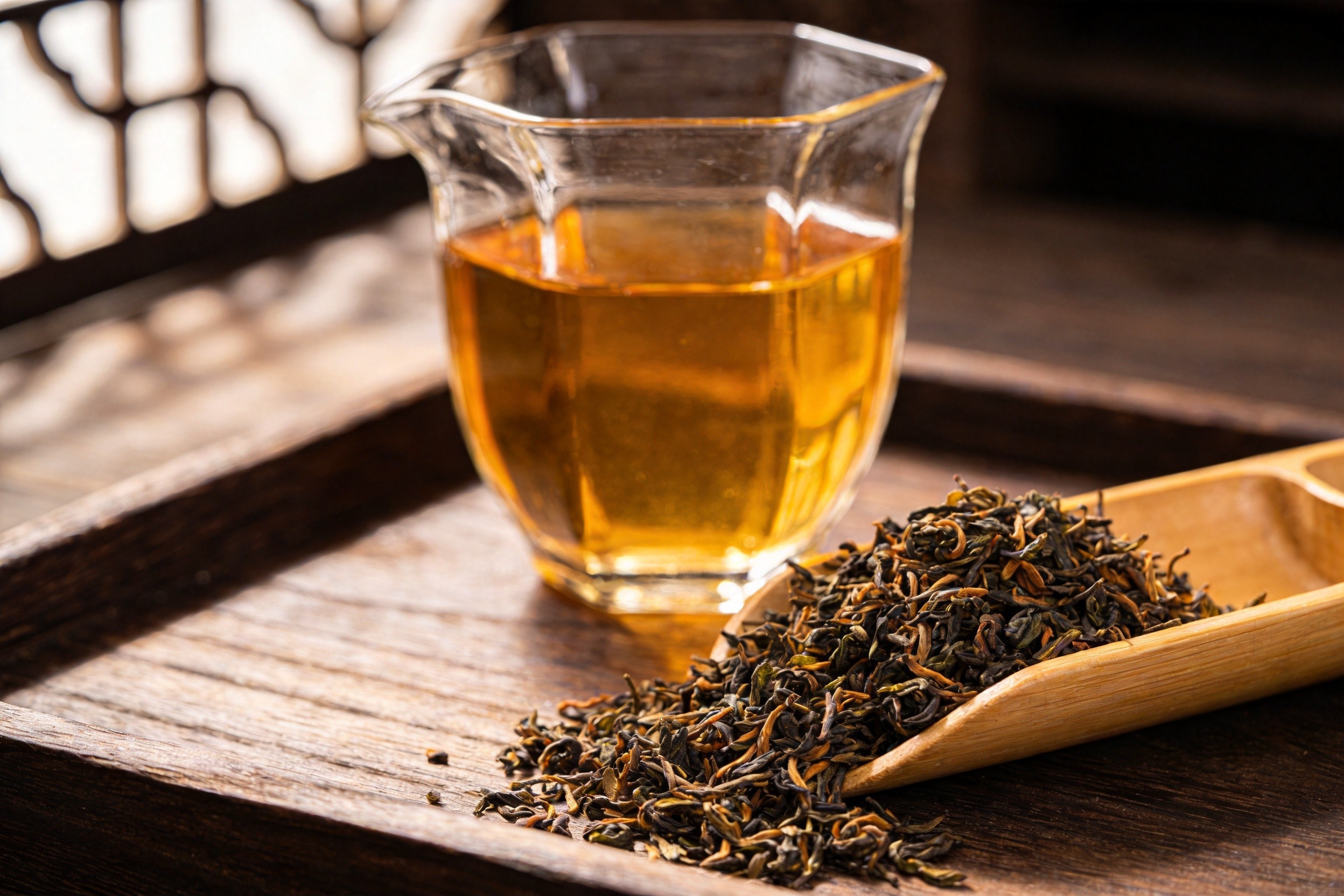
Look for leaves that are reasonably uniform in size and shape, with few stems and twigs. The golden, silver or white tips you see on some teas are the youngest buds; their presence points to selective hand-harvesting, and buds carry more free amino acids, which is part of why tipped teas taste sweeter and rounder.
Color Consistency and Processing
The dry leaf should be vivid and even for its type, not uniformly bright across all teas. Green teas should look fresh and deep rather than olive-drab or grey; black teas should be a consistent dark brown-black with the odd golden bud showing through; roasted oolongs drift toward brown, and that is correct for the style. What matters is consistency within the batch and a color that belongs to the tea you were sold. Dull, ashy, or patchy leaf usually points to stale stock, uneven firing, or several pickings blended together without much care.
The brewed liquor tells you almost as much as the dry leaf. A clear, bright cup is a good sign; a muddy or persistently cloudy one can mean broken leaf, dust, or a tea that has picked up moisture. Some styles are naturally a little hazy, since the fine hairs on bud-rich leaves read as faint cloudiness, so judge the liquor against its type rather than a photograph of a different tea.
Here is the whole check at a glance:
表格
| What to look at | Good sign | Red flag |
|---|---|---|
| Leaf wholeness | Whole, unbroken leaves; stems rare | Dust and broken pieces settling at the bottom of the bag |
| Color | Even and vivid for the type | Dull, ashy, patchy, or several unrelated colors mixed |
| Tips | Some golden or silver buds visible | Uniform brown leaf with no tips at all |
| Dry aroma | Quiet but distinct, clean | Dusty, musty, or smells of almost nothing |
| Liquor | Clear and bright | Muddy, cloudy, or flat-looking |
Reading the Aroma
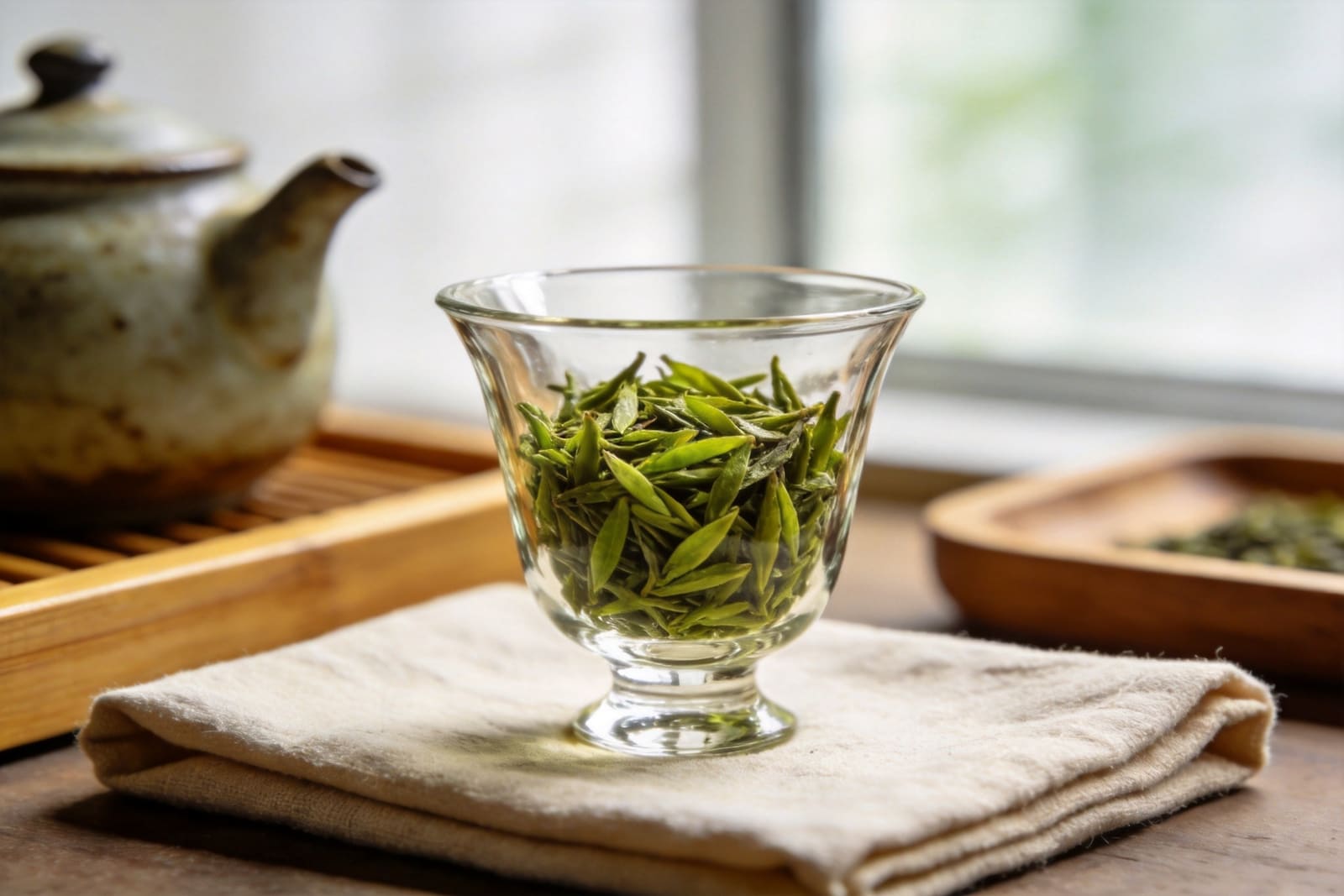
Aroma is where inexpensive tea gives itself away, and you can read it in three stages. Smell the dry leaf first: it should be quiet but distinct, recognizably the tea it claims to be. Then warm the leaf, a spoonful in a preheated gaiwan or a dry warm cup, lid on, thirty seconds, then smell again. Heat lifts the volatile compounds that cold leaf keeps locked in, and this is the step where a tea’s real character shows up. Finally, smell the wet leaf after the first infusion, then the empty cup once it has been drained. Good tea leaves a sweet, clean scent behind in the cup; tired tea leaves nothing, or leaves a flat, papery smell.
Off-notes are easier to name than good notes. Musty or damp-cellar smells point to moisture problems in storage. A sharp smoky smell is right for a smoked tea such as lapsang souchong and wrong for almost everything else. A cardboard or hay-like flatness means the leaf has faded. A burnt, ashy edge suggests over-firing at the finishing stage.
None of this is as subjective as it sounds. Commercial grading already uses instrument arrays: an electronic nose with eight metal oxide gas sensors has sorted black tea by quality level on a working production line. Your own nose, used in these three stages, gets a home buyer most of the way there for free.
Sourcing and Transparency
Quality starts in the field, long before the leaves reach your cup. Where a tea grew, how high up the slope, and which week it was picked all show up in the cup, which is why researchers measure origin, climate and harvest timing as separate variables rather than assuming them.
That is why disclosure is the single most useful thing a seller can give you. Reputable vendors name the growing region, the harvest season, and often the garden or the factory that processed the leaf; copy that stops at “product of China” or “finest leaves” gives you nothing to check. If a seller cannot say where and when the tea was picked, buy from someone who can. To see how much those variables change the leaf itself, our overview of the six families of tea is a good next stop.
What You Are Actually Paying For
Price in tea tracks labor far more than it tracks marketing. The expensive part of a good tea is the picking: two leaves and a bud taken by hand, at a particular altitude, inside a harvest window that may last only a couple of weeks, then sorted and fired with attention. Tea taken by machine later in the season costs a fraction as much to produce, and it tends to taste like it.
The number worth calculating is not price per gram but price per cup. A 100 g tin at $20 sounds steep until you divide it: at 5 g a session you get about twenty sessions, so roughly a dollar a cup, and a whole leaf will usually give you a second and third infusion from those same leaves. A $60 tin of hand-picked spring tea that resteeps six times can work out cheaper per good cup than a $12 bag of broken leaf that dies after one.
Watch the words that cost nothing to print. “Premium”, “luxury” and “hand-picked” are not regulated claims, and nothing stops a seller putting them on a commodity blend. A named garden, a harvest date and a stated processing style are much harder to fake, and they tell you far more about what is actually in the tin.
A Step-by-Step Evaluation Guide
To put these principles into practice, follow this simple routine when examining a new tea:
- Examine the Dry Leaves: Check for whole, unbroken leaves and a consistent color. Look for the presence of golden or white buds.
- Smell the Aroma: Take a deep sniff. The scent should be fresh, inviting, and characteristic of the tea type, without any musty or stale odors.
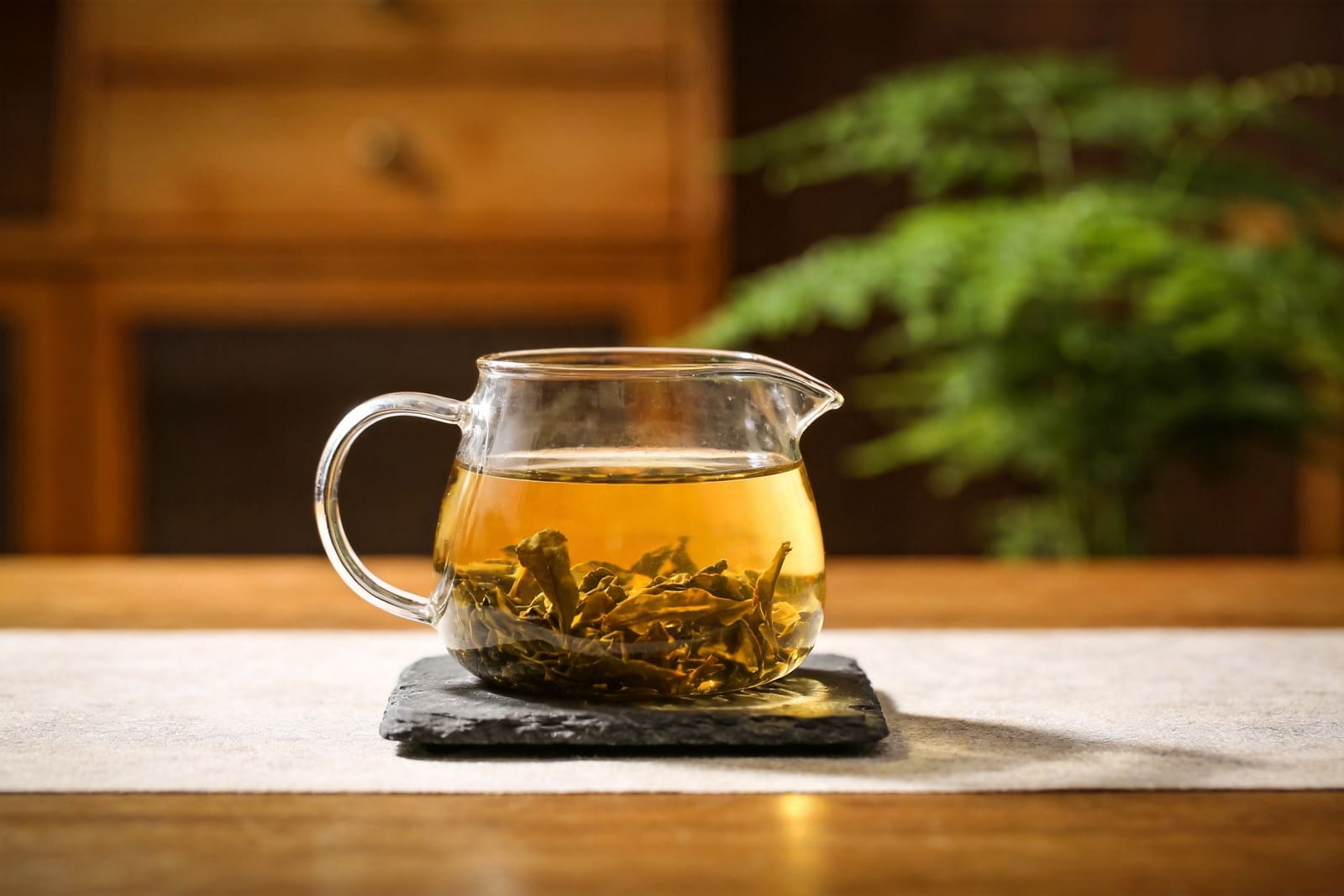
- Brew and Observe: Steep the leaves and watch how they unfurl. High-quality leaves expand fully and evenly in the water.
- Taste the Liquor: The first sip should be smooth. Note the complexity, sweetness, and lack of harsh astringency.
- Test the Resteeps: Add more hot water. Premium leaves will yield multiple flavorful infusions, while lower grades will taste flat after the first brew.
Proper Storage for Longevity
Once you have found a tea worth buying, protecting it matters as much as choosing it. Loose leaf belongs in an airtight, opaque container, away from moisture, light, heat and strong-smelling spices, all of which wear the leaf down faster than the calendar does.
Rinse and dry your brewing vessel properly between sessions as well, because a gaiwan or pot that still smells of yesterday’s tea will quietly pass that on to the next cup. And if you want to know how long your particular tea will actually keep, we broke the timelines down by type in our guide to how long tea lasts and how to store it.
Avoiding Common Brewing Mistakes
Even the finest leaves will disappoint if brewed incorrectly. Water that is too hot can scorch delicate green teas, while water that is too cool will fail to extract the rich flavors of a robust black tea.
Avoiding common tea brewing mistakes is what lets good leaf show what it can do. The aim is to reveal the leaf’s natural character, not bury it under the wrong temperature or an overlong steep.
Frequently asked questions
How can you tell if loose leaf tea is fresh?
Fresh loose leaf tea should have a vibrant, consistent color and an aroma that clearly matches its variety. If it smells flat, musty, or of almost nothing, it has already lost most of what you were paying for.
Does loose leaf tea expire?
Tea does not spoil the way fresh food does, but it does go stale, and different types fade at very different speeds. Green tea and matcha are the fragile ones, best inside six to twelve months and a couple of months respectively once opened. Black tea and roasted oolong hold their character for a year or two, and pu-erh is the exception that can improve for decades. The one real safety issue is moisture: if the leaf smells musty, clumps together, or shows any sign of mold, throw it out. Our guide to how long tea lasts breaks the timelines down by type.
Why do whole tea leaves taste better than broken leaves?
Whole tea leaves retain their essential oils and expand gradually during steeping, which allows for a slow, balanced extraction of flavors and multiple infusions. In contrast, broken leaves and dust release their flavors all at once, often resulting in a harsh, overly astringent, and one-dimensional cup of tea that lacks complexity.
What are the white or golden tips on tea leaves?
They are the youngest, unopened buds of the tea plant. Their presence points to selective hand-harvesting, and buds carry more free amino acids, which is why tipped teas taste sweeter and rounder.
Key Takeaways
- Look for whole, uniform leaves with vibrant colors and the presence of golden or white buds to ensure careful harvesting and processing.
- Prioritize transparency from sellers who disclose specific growing regions, harvest seasons, and farm names rather than just listing a country of origin.
- Protect your investment by storing tea in airtight, opaque containers away from moisture, light, and strong odors to preserve its essential oils.
- Evaluate the tea through a multi-step process, checking the dry aroma, observing the leaf expansion during brewing, and testing the resteeping potential.
Comments (0)