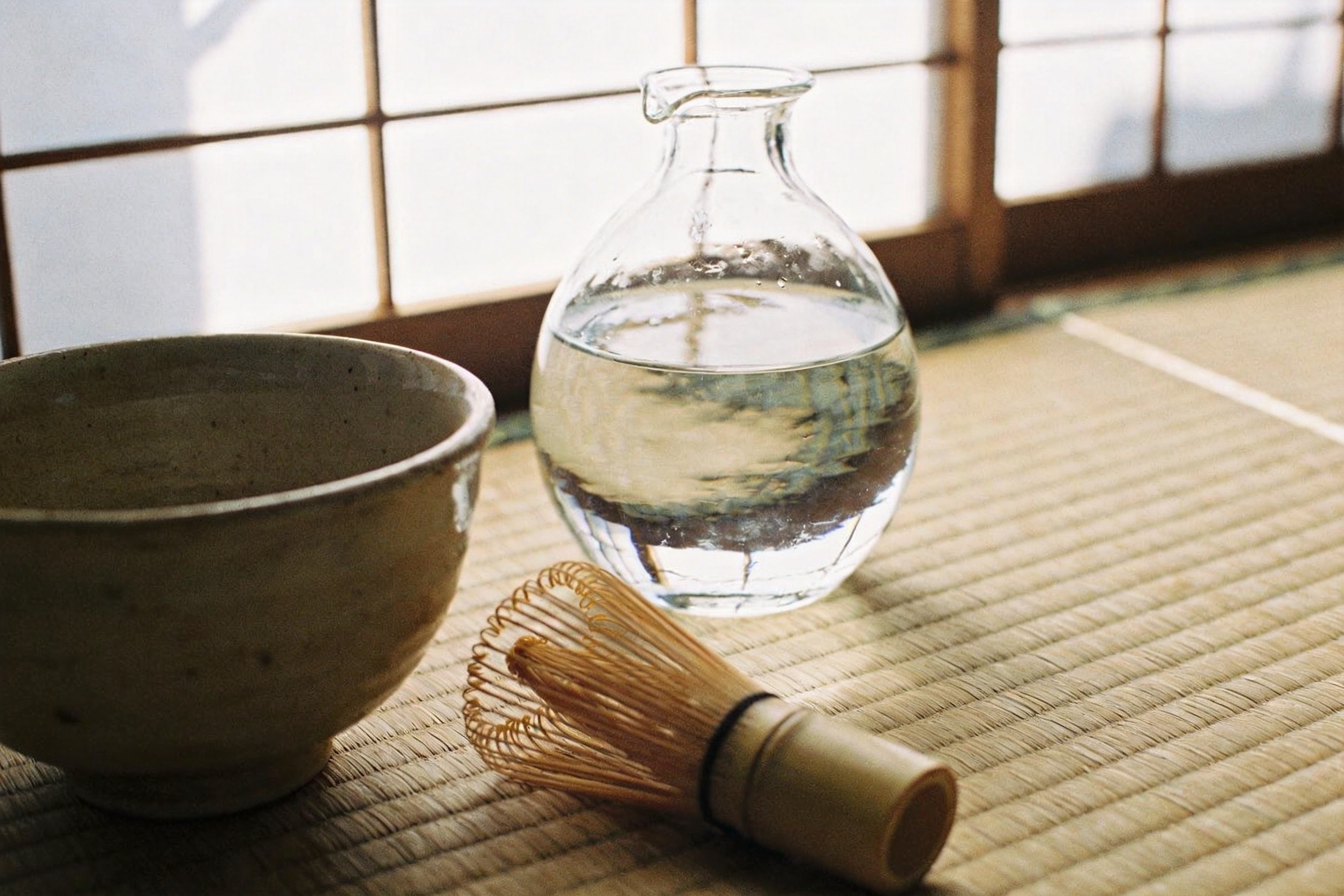
What Is Chado? A Guide to the Japanese Tea Ceremony
The Japanese tea ceremony, known as chado (or chanoyu), is far more than a way of drinking matcha. It is a spiritual and aesthetic discipline built on four principles: harmony, respect, purity, and tranquility. At its core, the ritual turns the simple act of preparing and serving powdered green tea into a shared, mindful moment, one that asks host and guests alike to slow down and pay attention to ordinary actions.
The Philosophy and History of Chado
The philosophy of the tea ceremony centers on four principles: wa (harmony), kei (respect), sei (purity), and jaku (tranquility). They are traditionally credited to Sen no Rikyu (1522–1591), the tea master who gave the practice its enduring shape in the late 16th century. The Zen roots they express go back much further, though: tea seeds and monastic tea rituals arrived from China in the 9th century, and over the following centuries the drinking of tea was gradually remade from a Chinese import into a distinctly Japanese discipline.
Rikyu’s teaching is also remembered as a set of seven rules, passed down in his name. As the Urasenke school’s official website records them, they ask the host to whisk the tea so that it tastes good; lay the charcoal so that the water boils; keep things cool in summer and warm in winter; arrange the flowers as they grow in the field; be ready a little early; be prepared for rain even when the sky is clear; and give each guest wholehearted consideration.
Key Terms in the Way of Tea
To understand the practice, it helps to know a few terms. The art of preparing and presenting matcha is called otemae. A casual tea gathering is a chakai, while a formal one is a chaji. There is also a separate, less common practice called senchado, which brews loose leaf tea instead of whisking powdered matcha.
A full chaji is a substantial occasion. Web Japan’s fact sheet on the tea ceremony describes it as including a meal called chakaiseki followed by two servings of tea, thick koicha and then thin usucha. It runs for roughly four hours, and the host is engaged in preparing for it long before the guests arrive.
The Sensory Experience of the Tearoom
The tearoom is designed as a sanctuary from the outside world, and it works on the senses deliberately. An academic study of chanoyu’s soundscape points out that the room’s auditory character, both natural and man-made sounds and the silences that carry meaning, can heighten the sense of yūgen, one of the aesthetic ideals the ceremony reaches for.
Conversation in the tearoom reflects this deep mindfulness. Guests avoid small talk or gossip, limiting their discussion to the origin of utensils and praise for the beauty of natural manifestations. The entire ritual is designed to focus the senses, ensuring everyone is totally involved in the occasion and living completely in the present moment.
The Practical Art of Otemae
A Step-by-Step Guide to Usucha Preparation
While the exact movements vary by school, the basic preparation of usucha (thin tea) follows a highly choreographed sequence. Unlike the loose-leaf brewing used for most teas, matcha is whisked directly in the bowl, a technique that descends from the Chinese tea traditions that first carried tea to Japan and that we trace in our guide to the Chinese tea ceremony.
Here is a simplified step-by-step overview of the basic otemae for usucha:
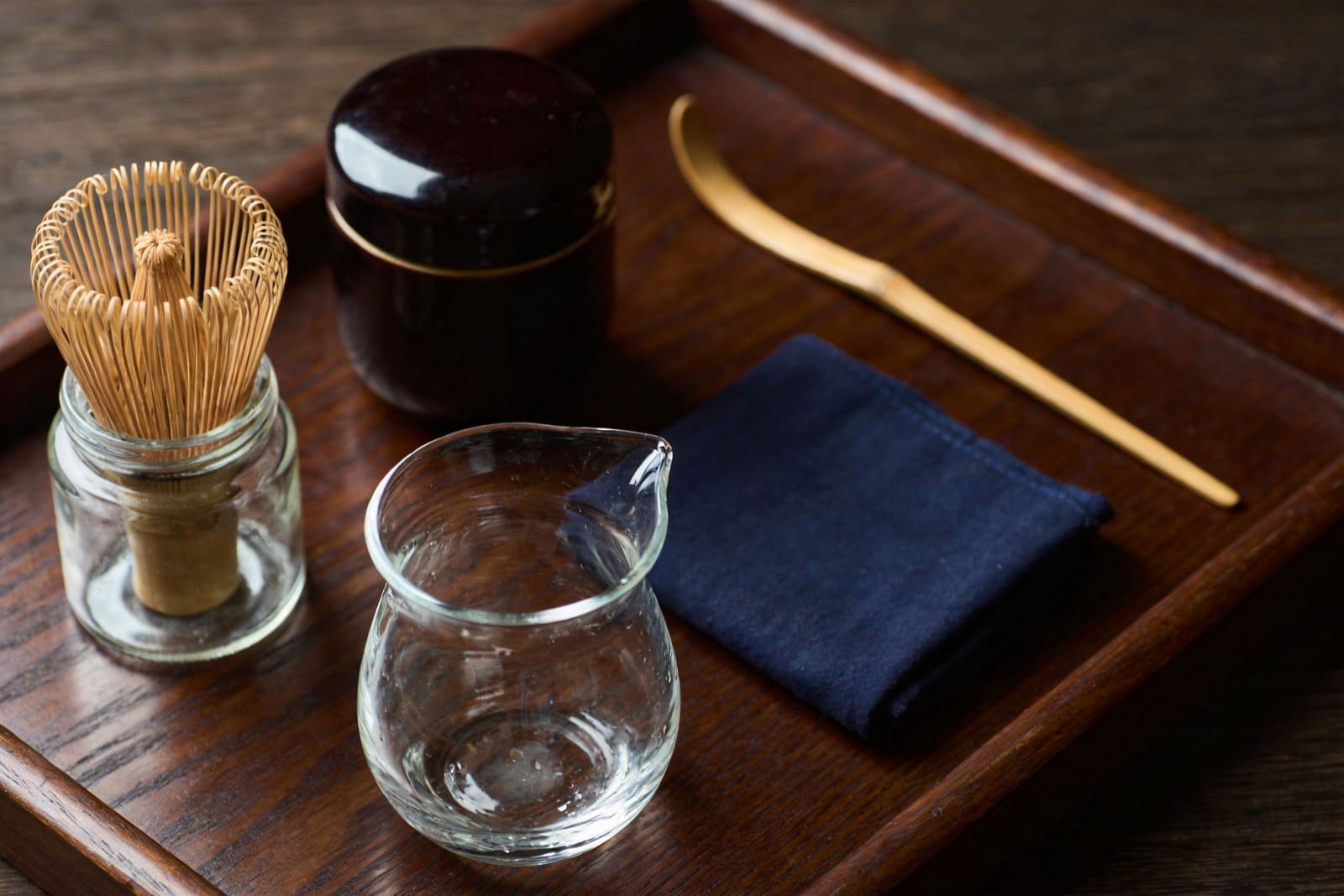
- Purify the utensils: The host ritually cleans the tea scoop (chashaku) and tea whisk (chasen) using a silk cloth (fukusa) and hot water.
- Warm the bowl: Hot water is poured into the tea bowl (chawan) to warm it, and the whisk is gently checked for defects.
- Dry and scoop: The water is discarded, the bowl is wiped completely dry, and two scoops of matcha powder are placed into the bowl.
- Add water and whisk: Hot water (not boiling) is added, and the host whisks vigorously in a quick, back-and-forth motion until a fine froth forms.
- Serve: The bowl is turned to present the most beautiful side to the guest, who receives it with a bow.
Studying the Way of Tea Today
Chado is not a relic of the past. Web Japan’s fact sheet on the tea ceremony estimates that millions of people in Japan still study the Way of Tea, spread across a hundred or more different schools and traditions. The usual pattern is a weekly class of about two hours shared with three or four other students, who take turns playing host and guest.
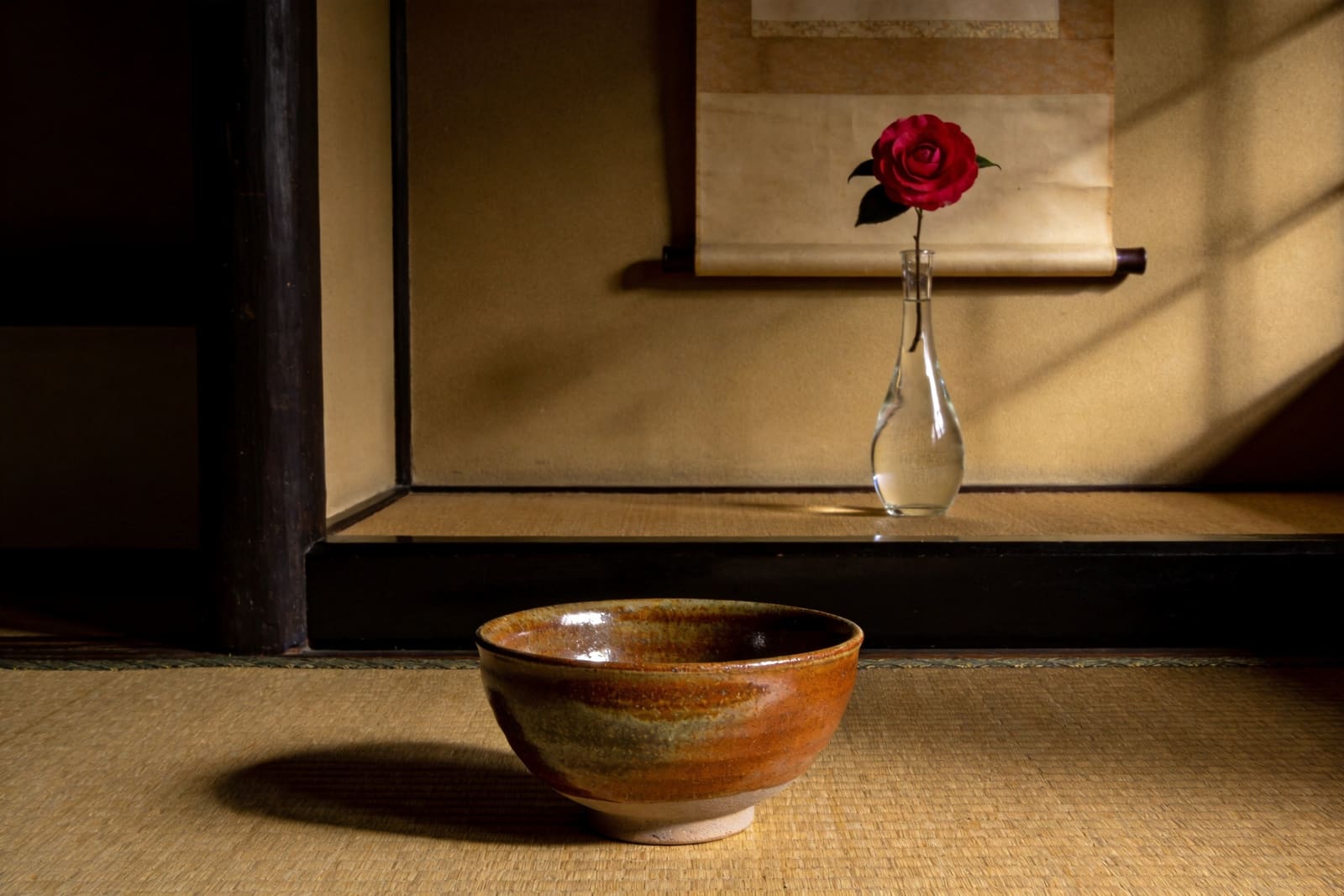
However, the education extends far beyond just making tea. Students also learn related arts like calligraphy, flower arrangement, and gardening. This holistic approach helps them understand how matcha fits into the broader context of tea, contrasting it with the six families of tea produced globally. Mastering the practice also demands meticulous attention to detail, including how to handle and care for tea ware so that handmade bowls, whisks, and caddies survive for generations.
Mindfulness and Unexpected Benefits
Some researchers have asked whether the attentiveness trained in chado carries over into professional life. A small descriptive study by Mayumi Uno (Open Journal of Nursing, 2017) ran a tea ceremony for Japanese nurses and compared their written answers before and after. The author reported definite changes in how the nurses described their interactions with patients.
The nurses described interacting with patients without pressure and becoming more alert to feelings patients had not voiced. That is a promising signal rather than proof: the study was small, it relied on self-reported written answers, and its author called for a larger study to confirm the effect. Even so, it points at something practitioners have long claimed, that rehearsing consideration for others in the tearoom can make the same habit easier to reach for elsewhere.
Frequently asked questions
**What is the difference between chanoyu and chado?**Chanoyu literally translates to “hot water for tea” and refers to the physical act of the tea gathering. Chado translates to “the Way of Tea” and encompasses the broader spiritual, philosophical, and aesthetic discipline. While often used interchangeably in English, chado implies a lifelong path of self-refinement.
**How long does a full Japanese tea ceremony last?**A full-length formal tea ceremony, known as a chaji, lasts approximately four hours. This extended duration includes a traditional meal called chakaiseki, followed by the serving of thick tea (koicha) and thin tea (usucha), allowing for a deeply immersive and unhurried experience.
**What are the four main principles of the tea ceremony?**The four core principles are wa (harmony), kei (respect), sei (purity), and jaku (tranquility). They are traditionally attributed to Sen no Rikyu in the 16th century, and they shape how host and guest treat each other: a harmonious connection with nature, mutual respect, physical and spiritual cleanliness, and inner stillness.
**Do I need to be Buddhist to participate in chado?**No, you do not need to be Buddhist to participate in or study chado. While the ceremony’s roots and philosophical underpinnings are heavily influenced by Zen Buddhism, the practice is fundamentally about hospitality, mindfulness, and aesthetic appreciation, making it accessible to people of all backgrounds and beliefs.
Key Takeaways
- Chado, the Japanese tea ceremony, is a spiritual and aesthetic discipline centered on four principles: harmony, respect, purity, and tranquility.
- A formal chaji is a comprehensive four-hour event that includes a meal and two servings of matcha, requiring deep mindfulness and preparation from the host.
- The practice extends beyond tea preparation, incorporating related arts like calligraphy, flower arrangement, and gardening to cultivate a holistic appreciation of nature and aesthetics.
- A small 2017 study of nurses hints that the attentiveness trained in the tearoom can carry into professional life, though the evidence is preliminary.
Comments (0)